
We review portals, not marketing
Each entry describes the platform itself — its structure, its pace, its rough edges — rather than repeating the operator's own copy.
Forgecedar is an independent review desk covering the platforms that host browser and downloadable games. We test each portal over multiple sessions, score it against six published criteria, and send you to the operator's own site — nothing in between.

Each entry describes the platform itself — its structure, its pace, its rough edges — rather than repeating the operator's own copy.
Six criteria, scored separately and written up in full, so a reader can disagree with a conclusion and still follow the reasoning.
Nothing on this site can be bought. Order, ratings and inclusion are editorial decisions made in Wellington.
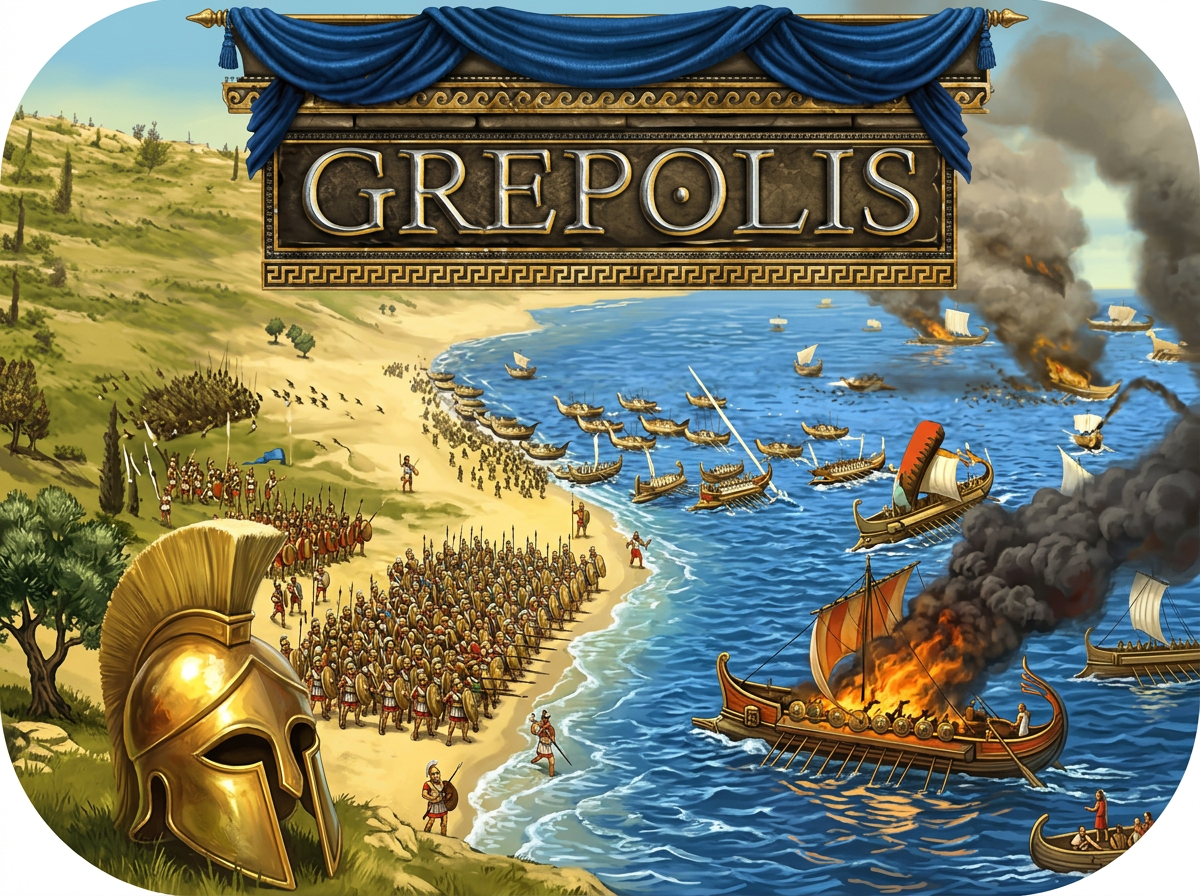
A long-running strategy portal set in ancient Greece, centred on city growth, alliances and coordinated warfare.
Strength: alliance politics that reward long-term planning.
Visit official siteA portal is not judged on impression. Each criterion is scored on its own, written up separately, and only then combined into the figure shown on the entry. Open any row to read what we actually look at.
How quickly a new visitor understands what the portal offers, and whether the first ten minutes require any outside guidance.
Navigation depth, readability at small sizes, and how much of the screen is given to content rather than promotion.
Load times on an average New Zealand connection, stability across sessions, and behaviour on mid-range mobile hardware.
Whether the catalogue holds up beyond the first weeks: variety, update cadence and the presence of long-form progression.
How clearly the operator states its terms, account rules, age limits and what it does with the data it collects.
Documented contact routes, published response expectations and the quality of the help material a player can reach unaided.
A portal enters the queue when readers ask about it or when it appears repeatedly in public listings. Operators cannot buy a place in the queue.
Two editors run separate accounts across desktop and mobile, over at least three sessions at different times of day.
Each of the six criteria is scored independently, with written notes. Scores are only merged after both editors have finished.
Claims made in the write-up are matched against the operator's own published pages. Anything we cannot verify is marked as unverified.
Entries are revisited on a rolling basis. A significant platform change resets the entry to the field-testing stage.

Harriet Nolan
Wellington
"The comparison notes are the part I use most. It is rare to find a write-up that tells you what a portal is weak at, not just what it advertises."
★★★★★
Daniel Whitcombe
Christchurch
"I appreciated that the mobile testing was described in detail. Most of my browsing happens on a five-year-old phone and that is usually ignored."
★★★★★
Aroha Tipene
Hamilton
"Clear language, no hype, and the entries actually say when something was last checked. That alone puts it ahead of most listings."
★★★★★
Editorial reviews of game portals — the websites and platforms that host browser and downloadable titles. We describe how each portal behaves, then link to its official page.
No. Placement and scores are editorial decisions. If a piece were ever commissioned, it would carry a visible label in the body of the text.
No. Forgecedar hosts no games, takes no registrations and processes no payments. Every play link points to the operator’s own site.
Each entry is revisited on a rolling schedule and after any significant platform change. Anything we could not verify at the time of writing is marked as such.
Readers in New Zealand aged 18 and over who want a plain description of a portal before spending time on it.
Use the contact page. Corrections that we can confirm are applied to the entry and noted in the text.
Links move, operators change their terms, and platforms are rebuilt. If an entry no longer matches what you see, tell us and we will re-check it.